Kitchen Fire Safety: Protecting Your Business
6 min read

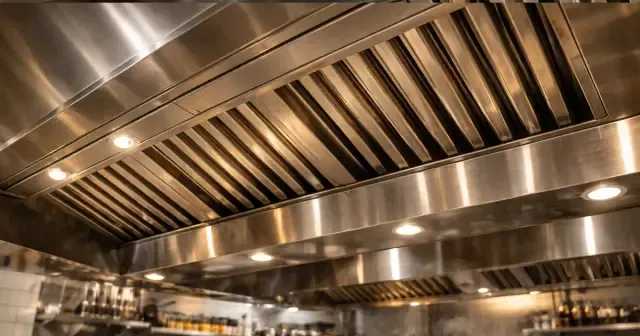
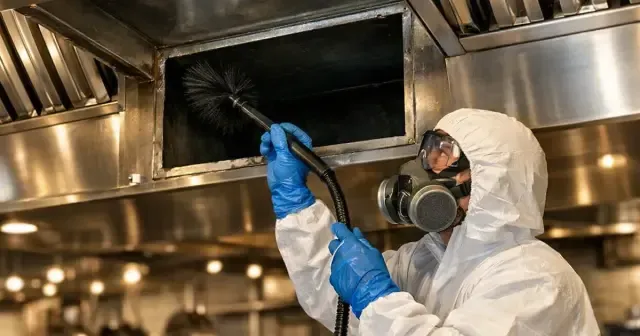
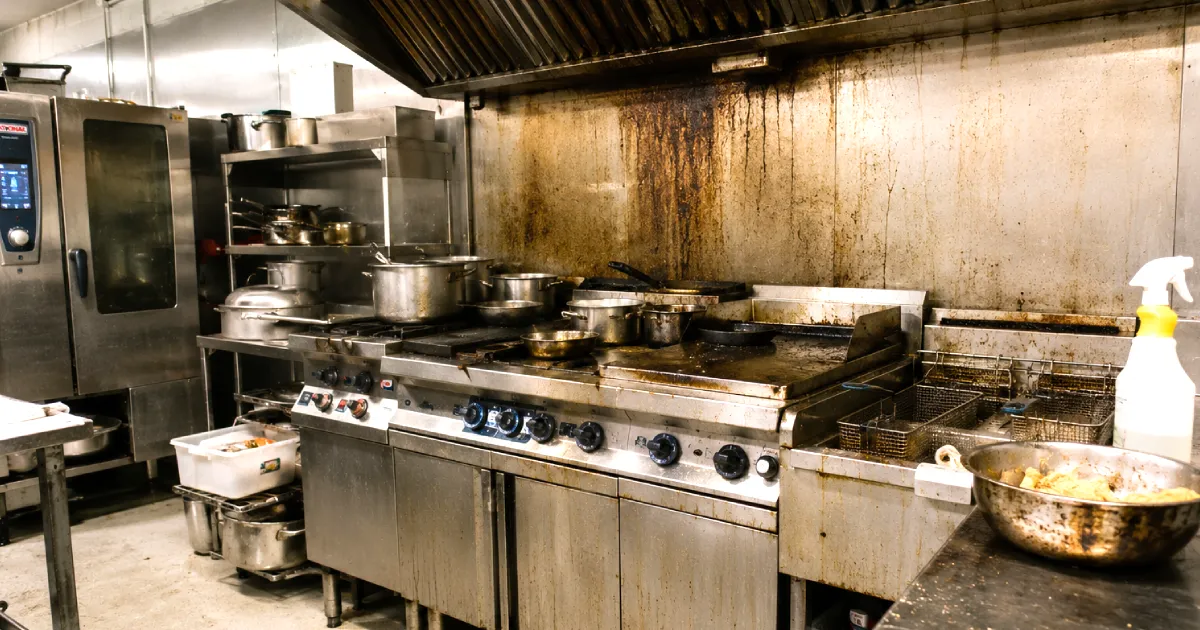
Your kitchen extraction system works hard every service, pulling grease-laden vapour, steam, and heat out of the kitchen. Over time, grease accumulates on every internal surface including the canopy, filters, ductwork, and fan. The more it builds up, the greater the fire risk, the harder your system has to work, and the more likely you are to fall foul of insurance requirements and fire safety regulations.
Getting your cleaning schedule right isn't just about ticking a compliance box. It's about keeping your kitchen safe, your energy costs down, and your insurance valid. Clean too infrequently and you're taking unnecessary risks. Clean too often and you're spending money you don't need to.
The TR19 standard provides guidelines for cleaning frequencies based on the type and intensity of cooking. Here's a detailed breakdown:
High-volume frying operations produce the most grease of any kitchen type. Fish and chip shops, fried chicken outlets, burger restaurants, and similar operations generate heavy grease deposits that accumulate rapidly. Quarterly cleaning is essential, and some very high-output operations may even need it more frequently.
Most restaurants with a standard menu covering grilling, frying, and roasting should have their systems cleaned twice a year. However, restaurants with a heavy focus on deep frying or wok cooking may need to move to a quarterly schedule. If your cuisine involves a lot of high-temperature oil work, such as Chinese, Indian, or Thai cooking, talk to your extraction cleaning provider about whether six months is frequent enough.
Pub kitchens vary enormously. A gastropub doing 200 covers a night needs the same frequency as a busy restaurant. A village pub serving a limited lunch menu might get away with annual cleans. Base your schedule on actual cooking volume rather than the type of premises.
Hotel kitchens serving breakfast, lunch, and dinner generate consistent grease output. Large hotels with multiple restaurants or 24-hour room service may need quarterly cleans. Budget hotels with limited breakfast-only kitchens can usually work to an annual schedule.
School kitchens typically operate during term time only and produce moderate grease levels. A busy secondary school kitchen cooking for hundreds of students daily should lean towards six-monthly cleans. A small primary school kitchen may only need annual attention.
These kitchens operate consistently but usually with lighter cooking methods, involving less frying and more baking and steaming. Six to twelve months is typical, but assess based on your actual cooking methods and volume.
Cafes primarily serving sandwiches, soups, toasties, and light meals with minimal frying can usually operate safely on an annual cleaning schedule. If you add a fryer or start doing more intensive cooking, reassess your frequency.
Kitchen type is a starting point, but several other factors influence how quickly grease builds up in your system:
Deep frying and wok cooking produce far more airborne grease than baking, steaming, or grilling. A kitchen that looks "light use" on paper but runs multiple fryers all day may need cleaning as often as a fast food outlet.
A restaurant open seven days a week for lunch and dinner will accumulate grease faster than one open five evenings only. Extended hours mean more grease output per cleaning cycle.
Older extraction systems with longer duct runs, more bends, and fewer access hatches tend to accumulate grease in harder-to-reach areas. Newer systems designed with maintenance in mind are easier to clean thoroughly and may stay cleaner longer between services.
If your kitchen team isn't cleaning baffle filters regularly between professional cleans, more grease passes into the ductwork. Good day-to-day filter maintenance extends the life of a professional clean and can sometimes allow you to push schedules slightly.
Some kitchens have significant seasonal variation. A seaside restaurant might do three times the volume in summer compared to winter. If your output changes dramatically through the year, consider scheduling extra cleans during or after your busy periods.
Between scheduled cleans, watch for these warning signs that your system needs attention sooner than planned:
If you notice any of these signs, don't wait for your next scheduled clean. Contact a CKC Approved extraction cleaner to assess the situation.
Professional TR19 cleans are essential, but good day-to-day maintenance extends their effectiveness and keeps your system running efficiently between visits:
Neglecting your extraction system cleaning schedule has consequences that far outweigh the cost of regular maintenance:
Grease buildup in ductwork is the single biggest fire risk in most commercial kitchens. A small flare-up on the hob can ignite grease deposits in the canopy and spread through the ductwork within minutes. For more on this, read our guide on kitchen fire safety and insurance.
If your system hasn't been cleaned to TR19 standards at appropriate intervals, your insurer may refuse a fire claim. The cost of a single rejected claim will dwarf years of regular cleaning bills.
Environmental health officers and fire safety inspectors can issue enforcement notices, prohibition notices, or fines if your extraction system doesn't meet acceptable standards. In the worst case, your kitchen could be shut down until work is completed.
A grease-clogged extraction system has to work harder to move the same volume of air. Your fan motor runs at higher load, consuming more electricity and wearing out faster. Regular cleaning keeps the system efficient and reduces energy costs.
Poor extraction means more grease particles, heat, and cooking fumes in the kitchen. Over time this affects air quality for your team, potentially contributing to respiratory issues and making for an unpleasant working environment.
The simplest approach is to book a professional assessment with a TR19 certified cleaner. They'll inspect your system, assess the level of grease buildup based on your cooking type and volume, and recommend an appropriate schedule.
Once established, most cleaning providers will manage the schedule for you, sending reminders when your next clean is due and keeping your documentation up to date. This takes the burden off you and ensures nothing gets missed.
Find a CKC Approved extraction cleaner in your area to get started with a professional assessment and tailored cleaning schedule.
Regular filter and canopy cleaning by your kitchen team is good practice and should be part of your routine. But it's not a substitute for a professional TR19 clean. Your team can't access the internal ductwork where the most dangerous grease deposits accumulate. You need both: routine daily and weekly maintenance between professional cleans.
Don't wait for visible buildup. New systems can accumulate significant grease within weeks of opening, especially in high-output kitchens. Book your first professional clean at the interval recommended for your kitchen type: three months for fast food, six months for restaurants, and so on.
If you significantly change your cooking methods, such as adding fryers, introducing wok cooking, or increasing your fried food output, reassess your cleaning frequency. What worked for a light grill menu may not be sufficient for a menu heavy on deep-fried items. Ask your cleaning provider to inspect the system after a few months on the new menu and adjust the schedule accordingly.
The whole system should be cleaned as a unit during a TR19 clean. However, baffle filters should be cleaned much more frequently, ideally weekly, by your kitchen team as part of routine maintenance. The professional clean covers everything from canopy to roof fan in one visit.
Find CKC Approved extraction cleaning professionals in your area.