How Often Should You Clean Your Kitchen Extraction System?
5 min read

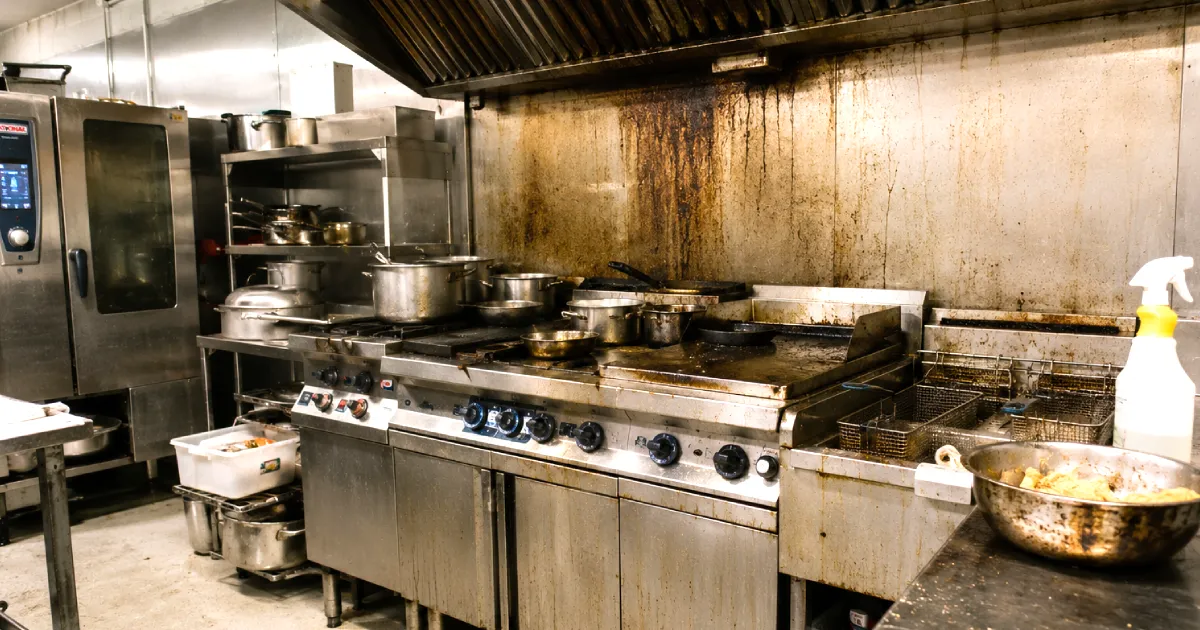
Commercial kitchens combine everything a fire needs: intense heat, open flames, hot oil, and an abundant fuel source in the form of grease. Every time you cook, grease-laden vapour rises from your cooking equipment, passes through the extraction canopy, and travels through the ductwork to the roof fan. Along the way, grease deposits build up on every internal surface.
Over time, these deposits create a continuous trail of highly flammable fuel running from directly above your cooking equipment, through your building's structure, right up to the roof. A single flare-up, a pan fire that reaches the canopy, or even an electrical fault in the system can ignite these deposits. Once a grease fire enters the ductwork, it can spread through the building in minutes.
According to UK fire service data, cooking-related incidents are consistently among the leading causes of commercial property fires. A significant proportion of these originate in poorly maintained extraction systems where grease buildup has been allowed to reach dangerous levels.
Understanding how extraction system fires develop helps explain why regular cleaning is so critical:
Most extraction fires begin when flames from the cooking surface reach the canopy. This can happen during a pan fire, a flare-up on a grill or wok burner, or when oil in a deep fryer overheats and ignites. If the canopy interior is coated in grease, that grease catches fire almost immediately.
Once fire enters the ductwork, it follows the grease deposits like a fuse. The enclosed duct acts as a chimney, drawing the fire upward with increasing intensity. Grease fires in ductwork burn extremely hot, enough to compromise the structural integrity of the duct itself and radiate heat into surrounding building materials.
If fire dampers fail to close, often because they're jammed with grease, the fire can pass through fire compartment walls and spread into ceiling voids, roof spaces, and neighbouring areas of the building. At this point, a kitchen fire has become a building fire.
The entire sequence from ignition to serious building involvement can happen in minutes, not hours. By the time the fire service arrives, an extraction fire that started with a small flare-up can have spread well beyond the kitchen. This is why prevention through regular cleaning is so much more effective than relying on reactive measures alone.
Professional extraction system cleaning to TR19 standards directly addresses the root cause of extraction fires: grease buildup. A properly cleaned system means:
The difference between a well-maintained system and a neglected one is stark. In a clean system, a pan fire that reaches the canopy is an inconvenience. In a grease-laden system, the same incident can destroy your business.
Fire risk is the most obvious danger of a poorly maintained extraction system, but the insurance implications can be equally devastating, even if a fire never happens.
Most commercial kitchen insurance policies include specific conditions around fire prevention and maintenance. These typically require you to maintain your extraction system in good working order, have the system professionally cleaned at appropriate intervals, keep documentation proving compliance, and follow recognised standards such as TR19.
These aren't suggestions. They're conditions of your cover. Failing to meet them can affect your policy regardless of whether you make a claim.
If a fire occurs and you need to make a claim, your insurer will investigate. They'll want to see your TR19 certificates, cleaning records, and maintenance documentation. If you can't produce evidence of regular professional cleaning:
Insurance companies don't just check your maintenance records after a claim. Some conduct periodic audits or require documentation at renewal. If they discover your extraction system hasn't been properly maintained:
The cost of regular extraction cleaning is a tiny fraction of any of these outcomes. For guidance on how often your system should be cleaned, see our guide on extraction system cleaning frequencies.
Many commercial kitchens have fire suppression systems installed, typically wet chemical systems mounted above cooking equipment that activate automatically when they detect extreme heat. These are valuable safety features, but they have limitations:
Think of suppression systems as your last line of defence. Regular cleaning is your first, and most effective, line of defence.
Even with the best maintenance, fires can still occur. Every kitchen should have a clear fire response plan:
Extraction cleaning is one part of a comprehensive approach to kitchen fire safety. A complete strategy includes:
Have your extraction system cleaned to TR19 standards at the frequency appropriate for your kitchen type. Keep all certificates and reports on file.
Clean baffle filters weekly, wipe down canopy surfaces after each service, and check grease drain channels regularly. Good daily habits extend the effectiveness of professional cleans.
Under the Regulatory Reform (Fire Safety) Order 2005, you must have a fire risk assessment for your premises. This should cover your kitchen extraction system specifically and be reviewed regularly.
Every member of kitchen staff should know how to respond to a fire, which extinguisher to use, where the gas and electrical shut-offs are, and how to evacuate safely. Run regular fire drills and keep training records.
Fire suppression systems, extinguishers, fire blankets, fire dampers, and alarm systems all need regular inspection and servicing. Set up a maintenance calendar and stick to it.
Keep everything. TR19 certificates, suppression system service records, fire risk assessments, staff training records, and equipment inspection logs. If something goes wrong, this documentation is your evidence that you took fire safety seriously.
Keep your TR19 compliance certificates from every professional clean, along with the accompanying photographic reports. Most insurers accept these as evidence of proper maintenance. If your insurer has specific requirements, ask them exactly what documentation they need and make sure your cleaning provider can supply it. CKC Approved cleaners provide full TR19 documentation with every clean.
Yes. Under the Regulatory Reform (Fire Safety) Order 2005, fire safety officers have the power to issue prohibition notices that prevent you from using part or all of your premises until identified hazards are resolved. A heavily grease-laden extraction system with no evidence of regular cleaning could be grounds for a prohibition notice.
Generally, yes. The "responsible person" under fire safety legislation is usually the person who has control of the premises, which in most cases is the tenant operating the kitchen. Check your lease, but don't assume your landlord is handling extraction cleaning unless it's explicitly stated and you have evidence it's being done.
Commercial kitchens should have Class F wet chemical extinguishers, which are specifically designed for cooking oil and fat fires. You may also need CO2 extinguishers for electrical equipment. A fire safety professional can advise on the correct type and number for your kitchen. Never rely on water extinguishers in a kitchen, as water on a grease fire causes an extremely dangerous reaction.
Find vetted, CKC Approved professionals in your area.