Kitchen Fire Safety: Protecting Your Business
6 min read

TR19 is the industry standard for the cleanliness of ventilation systems, published by the Building Engineering Services Association (BESA). First introduced in 2005 and regularly updated since, it sets out the requirements for the inspection, testing, and cleaning of grease extract systems in commercial kitchens across the UK.
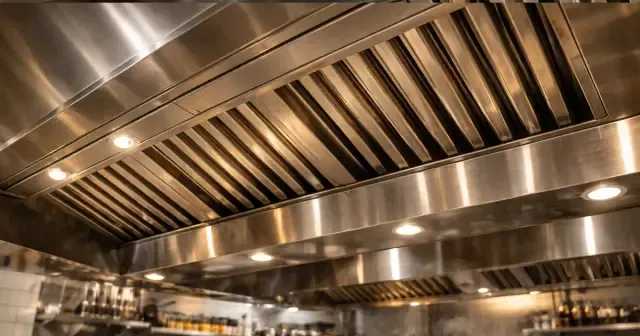
The standard covers everything from the canopy hood above your cooking equipment, through the ductwork running through your building, right up to the fan unit on the roof. It defines what "clean" actually means in measurable terms, how cleaning should be carried out, and what documentation should be provided afterwards.
If you operate a commercial kitchen of any kind, whether that's a restaurant, takeaway, hotel, school, hospital, or care home, TR19 applies to you.
TR19 itself is not legislation. It's a technical standard, not a law. However, it's referenced directly by fire safety officers, environmental health inspectors, and insurance companies as the benchmark for what constitutes adequate maintenance of kitchen extraction systems.
Under the Regulatory Reform (Fire Safety) Order 2005, the "responsible person" for any commercial premises must carry out a fire risk assessment and take reasonable steps to reduce fire risk. A grease-laden extraction system is a well-known fire hazard, and failing to clean it to a recognised standard like TR19 would be very difficult to defend if something went wrong.
In practice, TR19 compliance isn't optional. It's the standard everyone from your insurer to your local fire authority expects you to meet.
There are three main reasons every commercial kitchen operator should take TR19 seriously:
Most commercial kitchen insurance policies include conditions around maintenance and fire prevention. Insurers increasingly require evidence of regular extraction system cleaning to TR19 standards as a condition of cover. If a fire breaks out and you can't produce up-to-date TR19 certificates, your insurer may refuse your claim entirely, leaving you to cover the cost of damage, lost trading, and potential injury claims out of your own pocket.
Fire safety officers reference TR19 during routine inspections and post-incident investigations. Non-compliance can result in enforcement notices requiring immediate action, prohibition notices shutting down your kitchen until work is completed, fines for fire safety breaches, and in serious cases, prosecution of the responsible person.
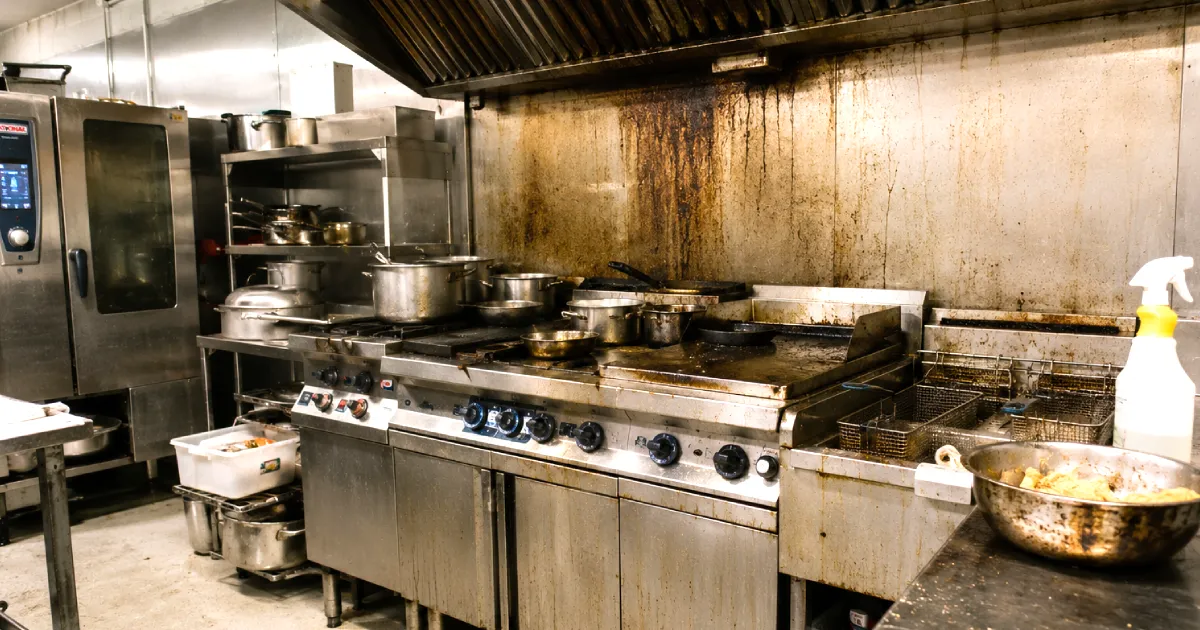
A grease fire in an extraction system can spread rapidly through ductwork, potentially reaching other parts of the building within minutes. Regular cleaning to TR19 standards dramatically reduces this risk, protecting your staff, your customers, and neighbouring businesses.
You might see references to both "TR19" and "TR19® Grease" and wonder what the difference is. The original TR19 standard covers all types of ventilation hygiene, including office buildings, hospitals, factories, and more. TR19® Grease is a specific section focused entirely on kitchen grease extract systems.
When people in the commercial kitchen industry talk about "TR19 compliance," they're almost always referring to the grease extract requirements. Your cleaning provider should be working to the TR19® Grease standard specifically, and this should be stated on any certificates they provide.
TR19 recommends cleaning frequencies based on the type and volume of cooking in your kitchen:
These are guidelines rather than fixed rules. A good cleaning provider will assess your system's condition and recommend a schedule based on your actual grease buildup, not just a generic timetable. For a more detailed breakdown by kitchen type, see our guide on how often extraction systems should be cleaned.
A proper TR19-compliant clean is a thorough process, not just a quick wipe of the canopy. Here's what you should expect step by step:
The engineer inspects the entire system, including the canopy, filters, ductwork, and fan, documenting the current condition with photographs. This establishes a baseline and identifies any areas of concern such as damaged components, failed fire dampers, or excessive grease buildup.
Baffle filters are removed from the canopy and either cleaned on-site using specialist degreasers or replaced if they're damaged or beyond effective cleaning.
The interior and exterior of the canopy hood are thoroughly degreased, including all internal surfaces, light fittings, and drain channels.
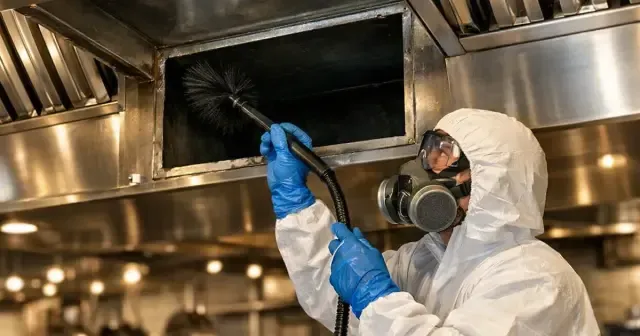
This is the most critical part. Engineers access the ductwork through inspection hatches and clean the internal surfaces using specialist rotary brushes, scrapers, and approved cleaning agents. All grease deposits are removed to meet the cleanliness standards specified in TR19.
The extract fan on the roof is cleaned and inspected for wear, damage, and correct operation. Fan belts, bearings, and electrical connections are checked.
Any fire dampers within the system are tested to ensure they close properly. A jammed fire damper defeats the purpose of having one. In a fire, it needs to close to prevent flames spreading through the ductwork.
You should receive a comprehensive report including before and after photographs of all areas cleaned, confirmation that the system meets TR19 cleanliness standards, details of any defects or issues found, recommendations for repair work if needed, and a certificate of compliance with the next recommended clean date.
After every TR19 clean, your provider should give you:
Keep these documents safe. Your insurer or fire safety officer may ask to see them at any time. If you can't produce them, you're effectively non-compliant regardless of whether the work was actually done.
Not all extraction cleaning companies work to the same standard. When choosing a provider, look for:
CKC Approved extraction cleaners are all verified for TR19 compliance and carry the necessary insurance and certifications. Every clean comes with full documentation for your records.
Cleaning your baffle filters is good practice and should be done regularly between professional cleans. But it's not a TR19 clean. TR19 covers the entire system including internal ductwork that you can't access without specialist equipment. Filter cleaning alone won't satisfy your insurer or a fire safety inspector.
A canopy-only clean is not TR19 compliant. The ductwork running from the canopy to the roof fan is where grease accumulates most dangerously and where fires are most likely to spread. Any provider who only cleans the canopy and calls it a TR19 clean is cutting corners.
New systems can accumulate significant grease deposits within weeks of installation, depending on cooking volume. Don't wait for visible buildup. Follow the recommended schedule from day one.
In theory, there's nothing stopping you cleaning your own system. In practice, you'd need specialist access equipment, approved cleaning agents, and the knowledge to meet TR19 standards, plus the ability to issue valid certificates. Self-cleaning won't satisfy insurance requirements, so it's always worth using a certified professional.
Costs vary depending on the size and complexity of your system, access requirements, and your location. As a rough guide, a standard extraction clean for a single-canopy restaurant kitchen typically ranges from £150 to £400. Larger systems with extensive ductwork will cost more. Get quotes from CKC Approved cleaners in your area for accurate pricing.
If an inspection finds your system doesn't meet TR19 standards, you'll need to arrange a professional clean as soon as possible. If the inspection was carried out by a fire safety officer, you may receive a formal notice with a deadline for compliance. Don't ignore it. The consequences of non-compliance are far more expensive than the cost of a clean.
Yes. Fire suppression systems and extraction cleaning serve different purposes. Suppression systems react to fires that have already started. Regular cleaning prevents fires from starting in the first place. You need both, and having one doesn't remove the requirement for the other.
Find CKC Approved specialists who provide full TR19 documentation with every clean.